Background: A rapidly growing e-commerce company was generating large volumes of sales data across multiple product categories, customer segments, and marketing channels. Despite having significant data available, management lacked visibility into the factors driving revenue growth and profitability.
Objective: The primary objective of this project was to transform raw transactional data into actionable business insights that would help leadership optimize sales performance, improve customer retention, and increase overall profitability.
Challenges: The company faced challenges including fragmented datasets, inconsistent reporting methodologies, limited understanding of customer purchasing behavior, and the inability to identify underperforming products and marketing channels. Decision-making often relied on assumptions rather than data-driven insights.
Data Collection and Preparation: Data was collected from multiple sources including Shopify, Google Analytics, payment gateways, CRM systems, and advertising platforms. Extensive data cleaning, transformation, validation, and normalization processes were performed to ensure data accuracy and consistency. Duplicate records, missing values, and data quality issues were systematically addressed.
Analysis Process: Advanced exploratory data analysis was conducted to identify sales trends, seasonal patterns, customer purchase behavior, product performance, and revenue drivers. Customer segmentation models were developed to classify customers based on purchase frequency, average order value, and lifetime value. Cohort analysis was performed to measure customer retention rates.
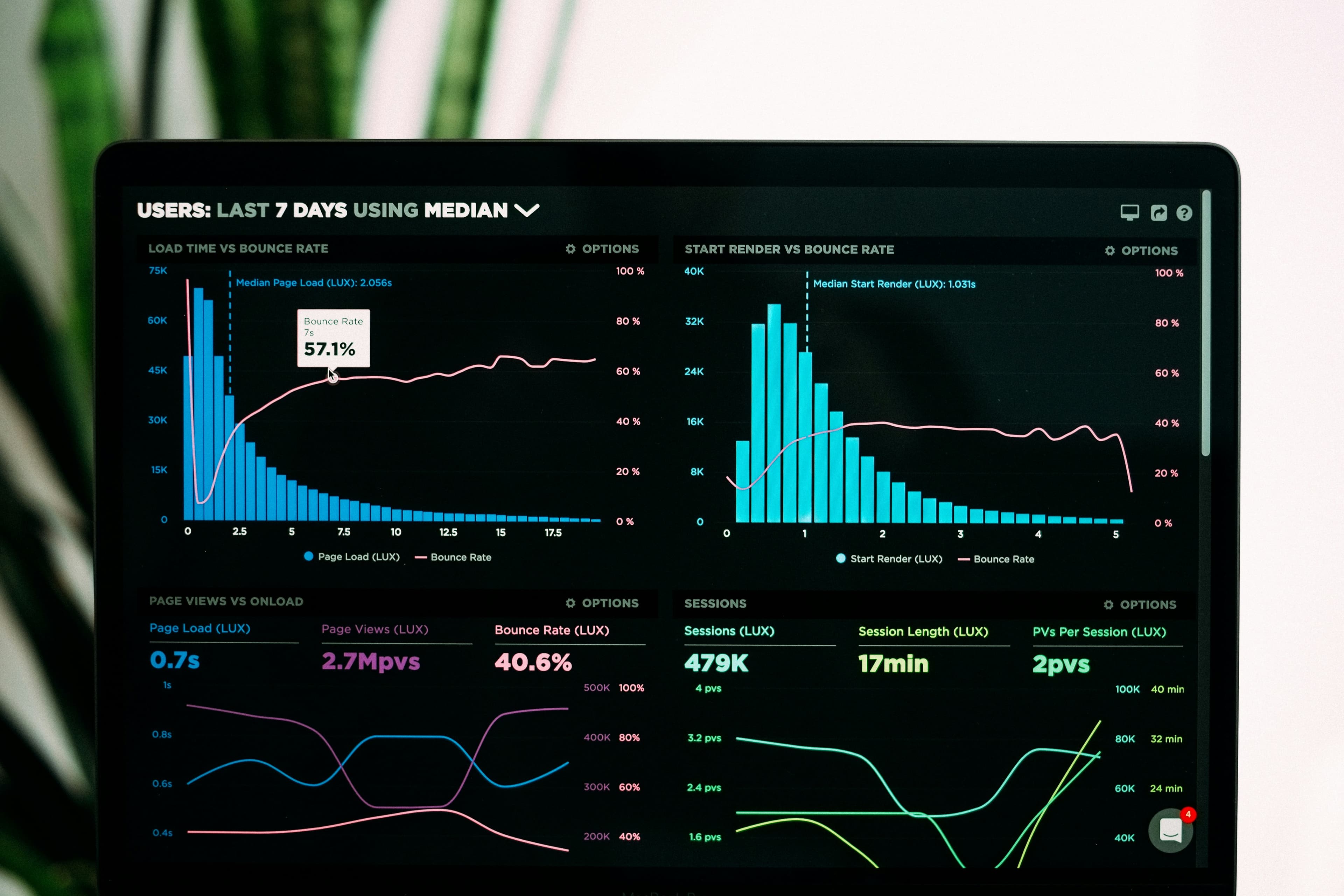
Dashboard Development: Interactive dashboards were created using Power BI and Tableau, allowing stakeholders to monitor key performance indicators including revenue growth, conversion rates, customer acquisition costs, return rates, average order values, and marketing ROI. Drill-down capabilities enabled detailed analysis across products, regions, and customer segments.
Key Insights: The analysis revealed that a small percentage of customers generated a significant portion of revenue, certain product categories consistently outperformed others, and specific marketing campaigns delivered substantially higher returns. Seasonal purchasing patterns were also identified, enabling more effective inventory planning.
Business Impact: The company improved marketing efficiency, optimized product inventory, increased customer retention, and achieved significant revenue growth through data-driven decision making. Leadership gained real-time visibility into business performance and was able to make faster strategic decisions.
Tools and Technologies: Python, Pandas, NumPy, SQL, Power BI, Tableau, Google Analytics, Excel, PostgreSQL, and Data Visualization Libraries.