How Data Analysis is Transforming Modern Business Decision Making
How Data Analysis is Transforming Modern Business Decision Making
Introduction
In today’s digital economy, businesses generate massive amounts of data every second—from customer interactions and sales transactions to website behavior and marketing campaigns. However, raw data alone has no value unless it is properly analyzed and interpreted. This is where data analysis becomes a game-changer.
Data analysis is the process of inspecting, cleaning, transforming, and modeling data to discover useful information, draw conclusions, and support decision-making. Modern organizations rely heavily on data-driven strategies to stay competitive and efficient.
The Shift from Intuition to Data-Driven Decisions
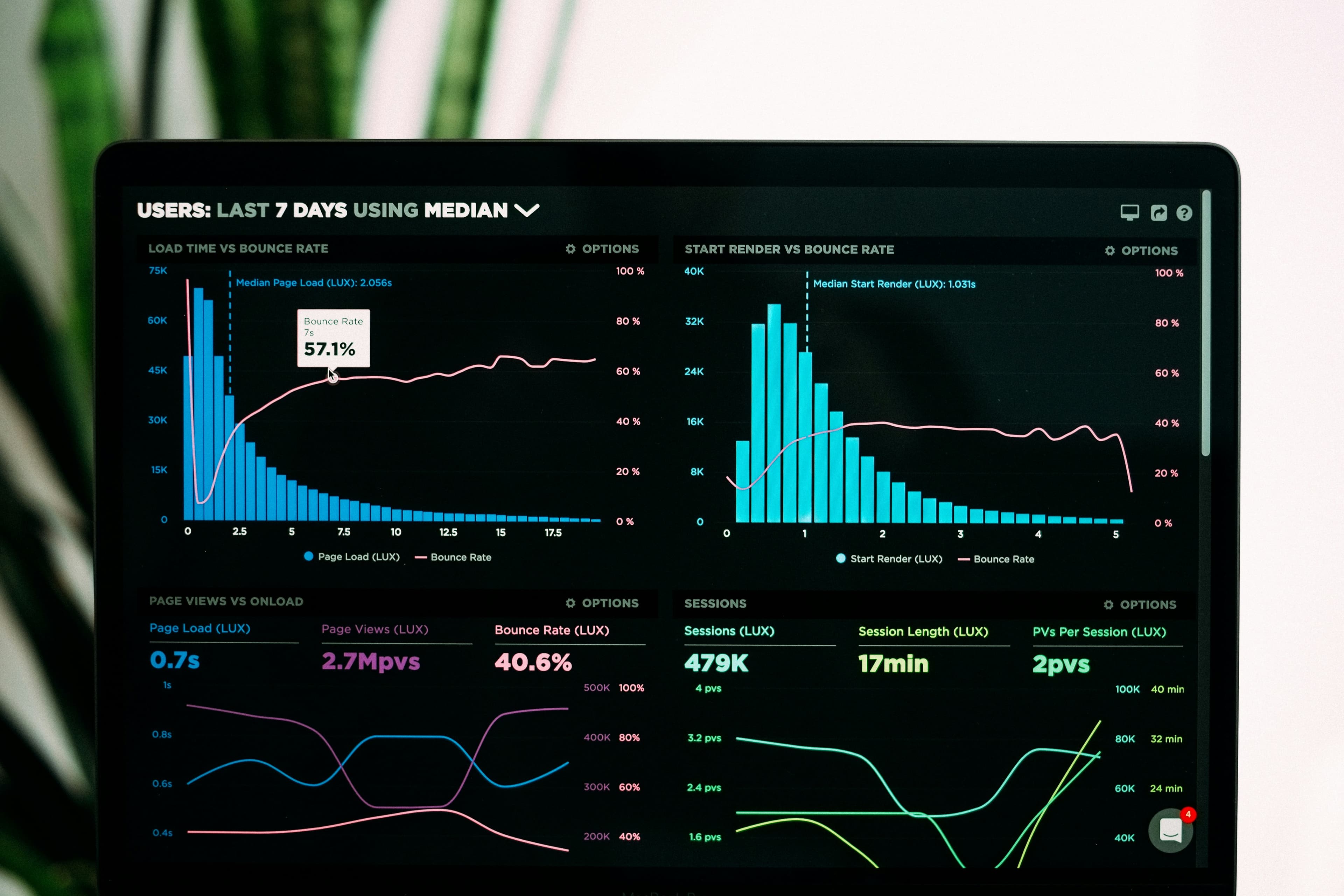
Traditionally, business decisions were based on experience, intuition, and assumptions. While experience still matters, it is no longer sufficient in a highly competitive environment. Companies now depend on real-time analytics and dashboards to guide every major decision.
For example, e-commerce companies analyze customer behavior to decide pricing strategies, product placement, and marketing campaigns. Similarly, financial institutions use data models to assess risk and predict market trends.
Key Areas Where Data Analysis is Impacting Business
1. Customer Behavior Analysis
Data analysis helps businesses understand how customers interact with products and services. By analyzing purchase history, browsing patterns, and engagement metrics, companies can create personalized experiences that increase conversion rates.
2. Sales Performance Optimization
Organizations use sales data to identify top-performing products, regions, and sales teams. This enables better resource allocation and improved revenue generation strategies.